 In New Zealand, like any other country, dental practices must adhere to strict disinfection and hygiene protocols to ensure the safety and well-being of patients and dental professionals. In this blog post, we will delve into the significance of disinfection and hygiene practices specific to dental clinics in New Zealand. By understanding the importance of these protocols and following the recommended guidelines, dental practices can create a safe environment for patients while upholding the highest standards of care.
Compliance with Regulatory Bodies
Dental practices in New Zealand are governed by regulatory bodies such as the Dental Council of New Zealand and the Ministry of Health. These organizations establish guidelines and standards for infection control and hygiene practices in dental settings. It is essential for dental professionals to be familiar with and comply with these regulations to ensure that their practices are operating within the legal framework and maintaining optimal safety standards.
Adherence to Best Practice Guidelines
The New Zealand Dental Association (NZDA) provides comprehensive guidelines and resources related to infection control, sterilization, and hygiene practices for dental professionals. These guidelines are regularly updated to align with international standards and emerging research. Dental practices should diligently follow the NZDA guidelines to implement effective disinfection protocols and ensure the highest level of hygiene in their clinics.
Hand Hygiene and Personal Protective Equipment (PPE)
Proper hand hygiene and the use of appropriate personal protective equipment (PPE) are fundamental infection control practices in dental settings. Dental professionals and staff should perform hand hygiene using soap and water or an alcohol-based hand sanitiser before and after patient contact. Additionally, the use of gloves, masks, protective eyewear, and gowns should be in accordance with the NZDA guidelines to minimize the risk of cross-contamination between patients and staff.
Sterilisation and Disinfection of Instruments
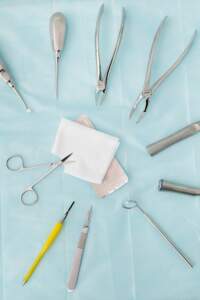 Sterilisation and Disinfection of Instruments
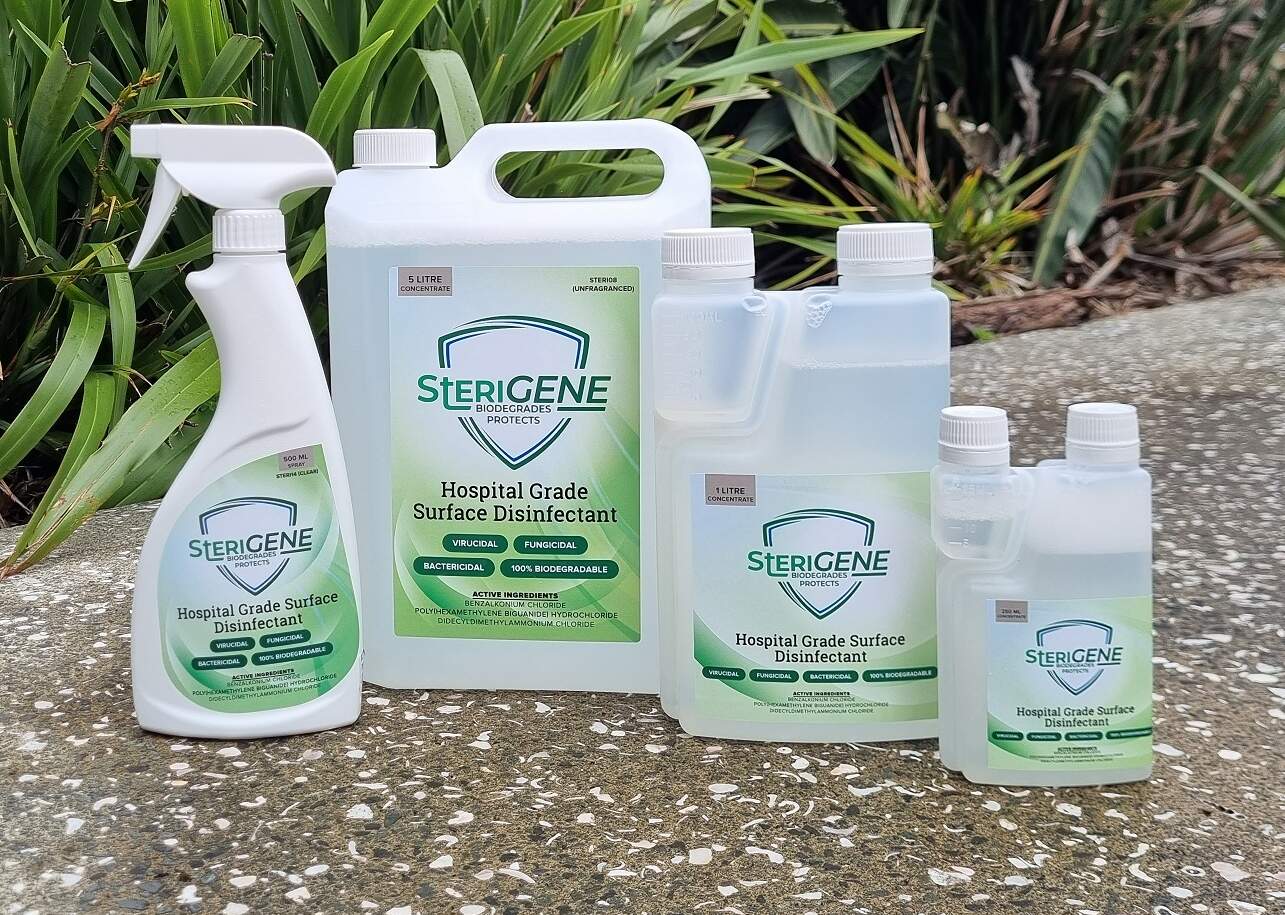
Proper sterilisation and disinfection of dental instruments are crucial to prevent the transmission of infectious agents. Dental practices should have well-defined protocols for instrument processing, including cleaning, packaging, and sterilisation. Sterilisation equipment should be regularly monitored, maintained, and validated to ensure optimal performance. Disinfection of non-critical items and surfaces should also be performed using appropriate disinfectants, following the recommended contact time.
Waterline Maintenance
Dental unit waterlines require specific attention to prevent the colonization of bacteria and biofilm formation. Regular flushing, disinfection, and monitoring of waterlines should be carried out according to NZDA guidelines. Dental practices should establish a water quality management program to ensure the delivery of safe water for dental procedures.
Staff Training and Education
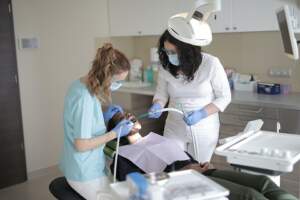
Continual training and education of dental professionals and staff on infection control practices are crucial for maintaining high disinfection and hygiene standards. Dental practices should invest in regular training sessions that cover updated guidelines, proper use of disinfectants, sterilization techniques, and hand hygiene. Staying informed about the latest developments in infection control through participation in professional conferences and seminars is also recommended.
In New Zealand, dental practices must prioritise disinfection and hygiene protocols to ensure patient safety and maintain the highest standards of care. Compliance with regulatory bodies, adherence to best practice guidelines provided by organizations like NZDA, and regular staff training are essential components of maintaining a safe and hygienic environment. By following these guidelines and staying informed about emerging research, dental practices in New Zealand can continue to provide exemplary dental care while upholding the principles of infection control and patient safety.