Mould in the home can cause health problems for you and your family. With cooler, wetter weather setting in, we’ve put together some of our top tips and tricks for preventing mould from growing in your home or treating it, if mould is already present.
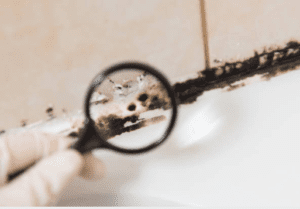 What is mould?
Mould is a type of fungi that are naturally occurring organisms in the earth’s ecosystem. They are the most important part of nature’s ability to recycle.
Fungi have to depend on other organisms or the forces of nature to carry them to a food source, or to bring them food. As such, Mould spores are in the air we breathe.
Moulds are present almost everywhere – indoors and outdoors. Indoors, moulds need moisture and a carbon source from building materials or building contents to grow. They can grow in and on materials such as food, fabrics, carpets, timber, walls and plumbing.
Are there different types of mould?
Green mould – Can eat away at the paint and damage it while releasing hazardous spores into the air.
White mould – Often found in cool, damp environments (think basements and cellars), on the surface of concrete or brick walls.
Blue mould – Usually in wet areas such as bathrooms, on walls rising to the ceiling.
Black mould – Most commons black moulds come from the same strain as green moulds and can be removed with normal treatment methods without great concern. However, toxic back mould is another story.
Toxic black mould is usually found in damp or water-damaged buildings. It can have serious implications on your family’s health as it produces Mycotoxins. Mycotoxins are invisible to the human eye but can enter the human body through inhalation, ingestion and even through the eyes.
Mould growth occurs in moist environments, with limited sunlight and airflow. Areas in your home to keep an eye on are: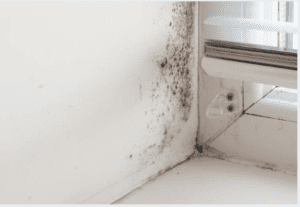
-Kitchens, bathrooms and laundries
-Cupboards and corners – where ventilation isn’t the best
-Walls or windows – condensation caused by hot air on one side, cool air on the other
-Walls and ceilings – insufficient insulation or a water leak.
How does mould affect your family’s health?
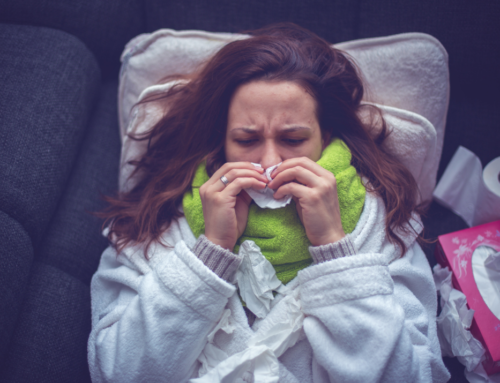
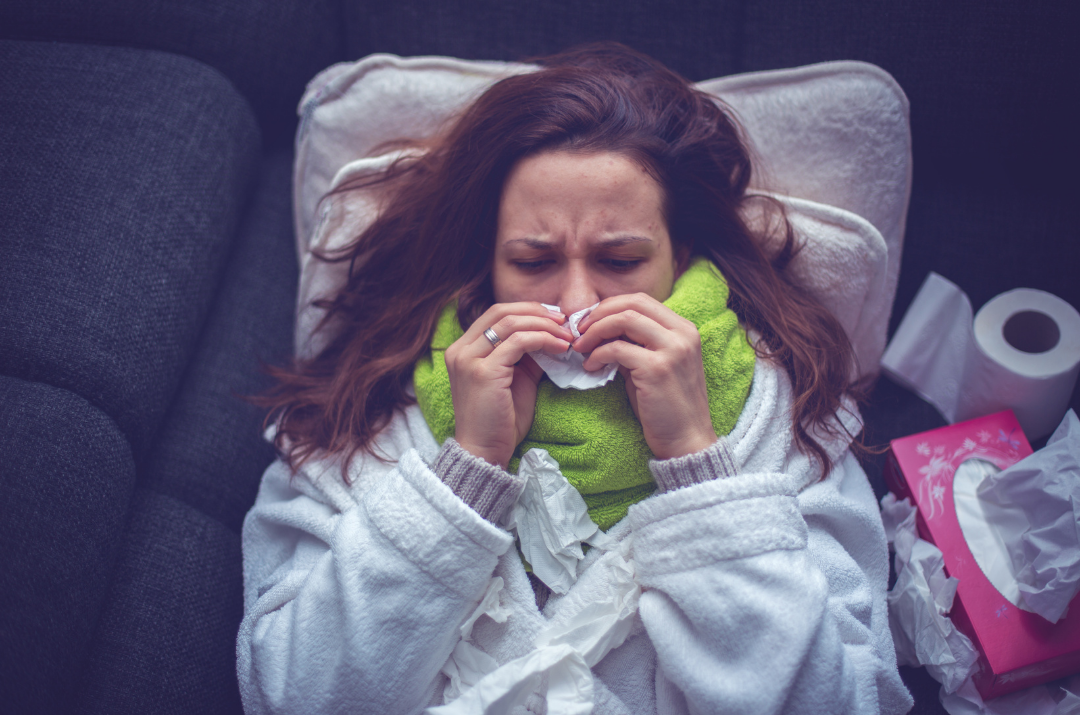
 Exposure to and inhaling mould spores can cause health problems, especially if you’re sensitive or allergic to them. You could suffer from the following symptoms:
-Sneezing, irritation of the nose, mouth or throat
-Coughing, wheezing, shortness of breath, or other respiratory complications
-Red, itchy or watery eyes
-Skin irritations
Most people will not experience any health problems from coming into contact with mould, however, those with weakened immune systems, asthma, allergies or other breathing conditions may be more sensitive to these effects of mould exposure. Contact your GP if you or a family member suffer health problems after being exposed to mould.
10 tips for preventing mould in the home
- Allow your home to breathe. Open doors and windows, even if for a short period, on a sunny day to allow fresh air and sunlight through to ventilate the home.
- Use extractor fans in bathrooms, kitchens, and laundries to remove strapped steam and prevent condensation build-up. Where extractor fans are not available, open the windows.
- Use dehumidifiers to reduce humidity.
- Move furniture away from walls and keep mattresses off the floor to allow for proper airflow around them.
- Clean condensation off windows and walls using a squeegee or a regularly washed and aired-out towel will also do the trick.
- Regularly clean and properly air out shower curtains. Use SteriGENE hospital-grade disinfectant regularly to keep your shower curtains clean and hygienic.
- Use a good glass cleaner to keep your glass and mirrored surfaces free from moisture build-up, as well as remove any food or toothpaste splatters that may encourage mould growth.
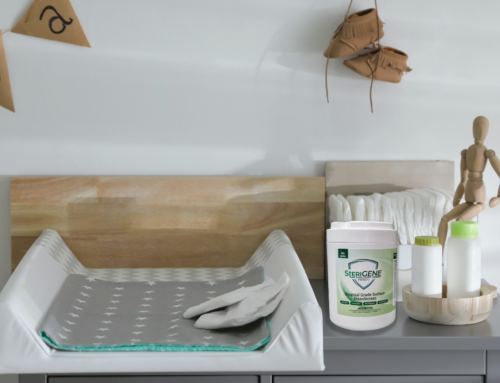
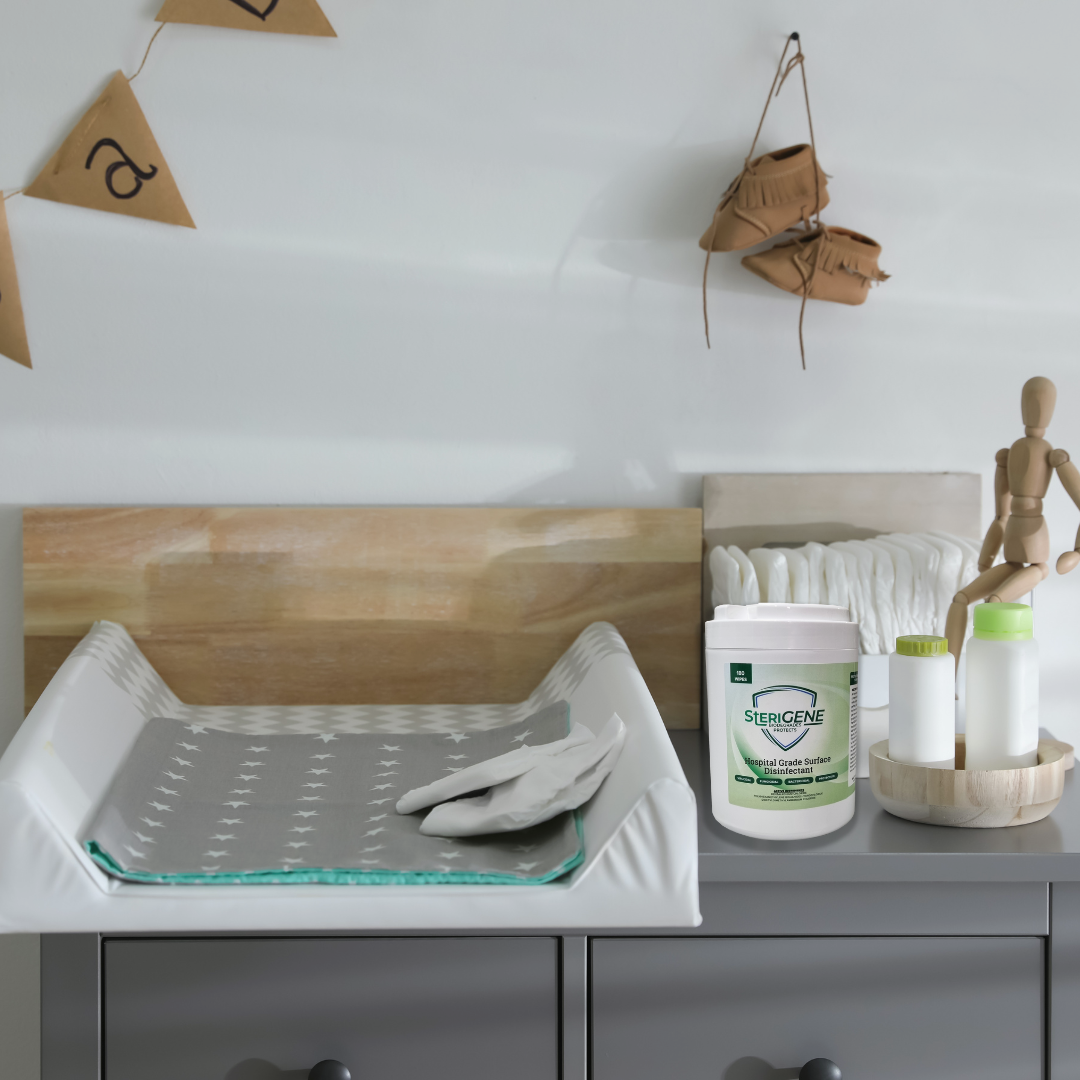
- Keep surfaces throughout your home clean and hygienic with a high-grade disinfectant.
- Control moisture in the home by ensuring gutters are cleared.
- Fix any plumbing issues, leaking roofs as well as any other building faults that may be causing unwanted moisture in the home.

Photo by Karolina Grabowska: https://www.pexels.com/photo/woman-standing-in-front-of-an-open-window-6633813/
7 tips for removing mould from your home
- Safety first! Ensure the area is well ventilated, wearing protective gear such as gloves, protective eyewear and protective clothing and footwear, plus a face mask.
- For an at-home remedy, you could use white vinegar, but be aware that it doesn’t kill all types of mould. Any residue left behind may encourage more mould growth. It can also damage some surfaces due to its acidity.
- Using bleach is also an option. However, in most cases, the background level of mould spores will remain after the application of bleach. This means that while bleach kills and removes the surface mould, the membrane underneath remains and the mould will grow back. Sometimes using bleach on the mould can ‘anger’ it, and when it grows back, it grows back stronger. Having ‘angered’ the mould, bleach can also make mould grow deeper into porous surfaces (such as plasterboard or wood) to avoid it.
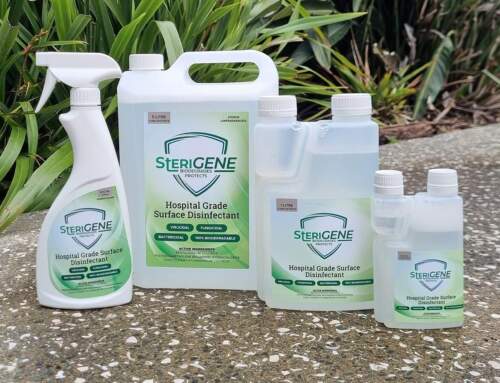
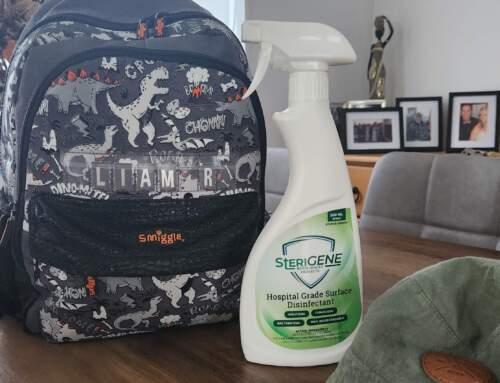
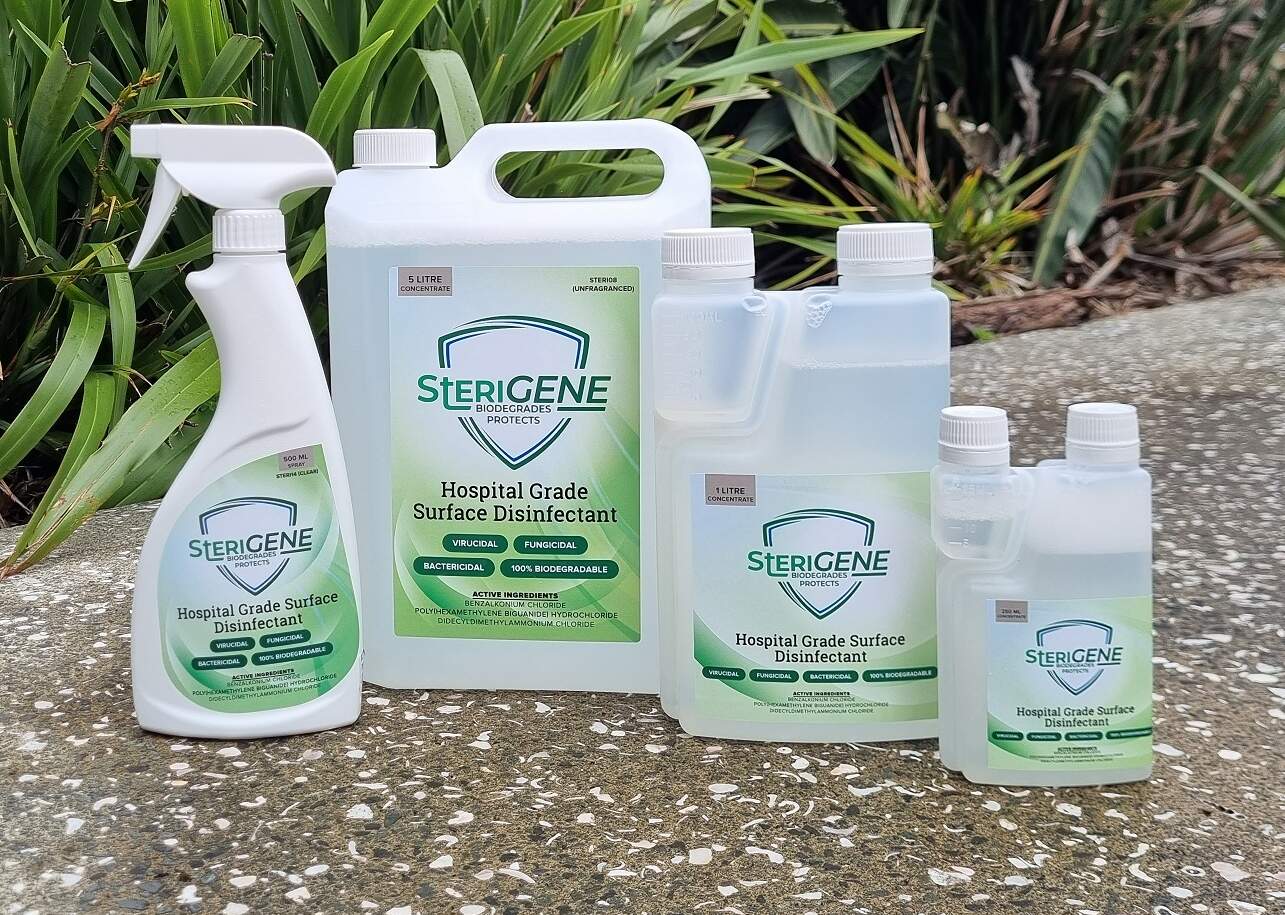
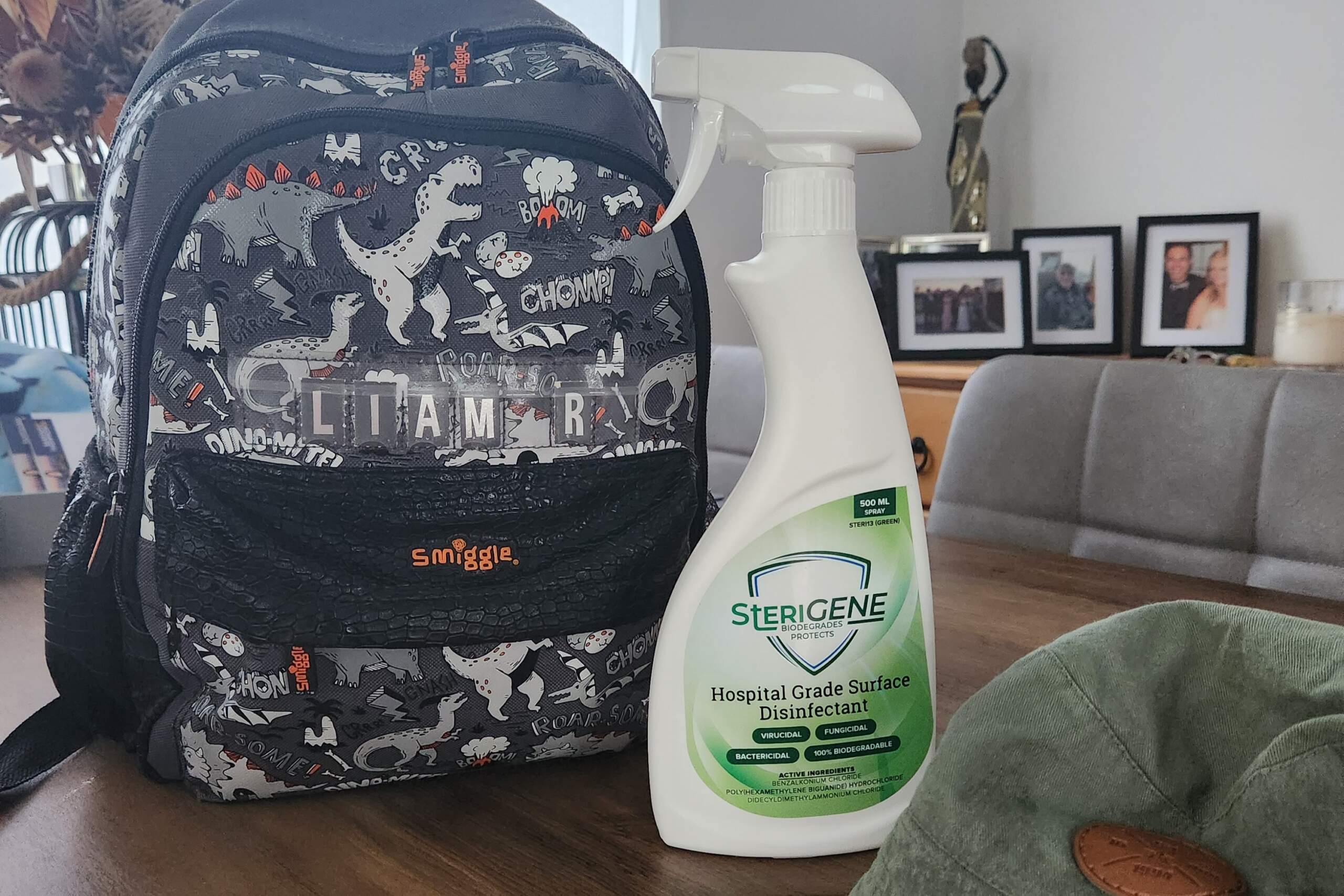
- To remove mould from solid surfaces, walls, and shower curtains, use SteriGENE hospital-grade disinfectant. Not only does SteriGENE kill bacteria and viruses, but it also has fungicidal properties, meaning it kills mould. And not just the surface of mould either. The Micro-emulsion particles of SteriGENE carry the disinfectant molecules through the cell walls of micro-organisms, so it kills the membrane underneath as well. SteriGENE also remains on surfaces for up to 2 months, so mould isn’t about to grow straight back.
- Fabric items such as bedding, clothing, soft toys, towels and other soft fabric items can be washed in a washing machine with laundry disinfectant. Where mould has been present for some time and is unable to be removed, the item may need to be discarded.
- Some larger soft furnishings (such as sofas and carpets) that cannot be laundered, may need to be professionally cleaned.
- If it’s toxic black mould you’re dealing with, you might be best to bring in a professional, as even minimal exposure to toxic black mould during the removal process and lead to health issues for you and your family.
Photo by Andrea Piacquadio: https://www.pexels.com/photo/daily-chores-of-a-mother-3768910/