With so many different cleaning, sanitising, and disinfection products on the market these days, we thought we’d clarify what a disinfectant actually is. What’s the difference between cleaners, sanitisers, and disinfectants, they’re not the same and shouldn’t be used interchangeably. We also explore how a disinfectant is best used, and what is a good disinfectant, because they’re not all created equal.
 What is a disinfectant?
A disinfectant is a substance used primarily on non-living objects to kill viruses, bacteria and other microorganisms that can cause infection and disease.
Using a quality disinfectant helps to prevent your family from becoming unwell by killing pathogens, lowering the risk of spreading disease.
What is the difference between cleaners, sanitisers, and disinfectants?
Cleaners remove loose dirt and matter from surfaces. This could be water, soap, or cleaning detergents. Cleaners are generally used to prepare a surface for disinfection.
Sanitisers reduce the number of bacteria on surfaces using chemicals. Usually, sanitisers are alcohol-based.
Disinfectants kill viruses, and bacteria, and some disinfectants kill fungi on surfaces, preventing them from spreading. Depending on the quality of the disinfectant you’re using, surfaces may need to be cleaned before disinfecting.
How to use disinfectant?
Always use products according to the label directions to ensure you’re getting the full effect of the product.
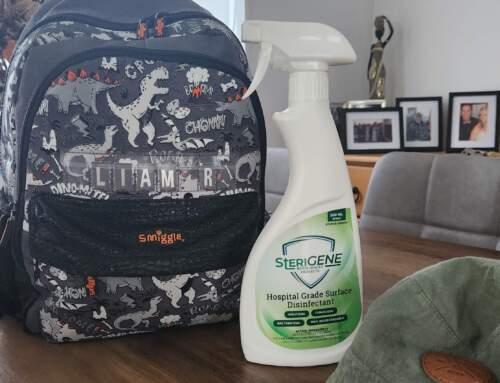
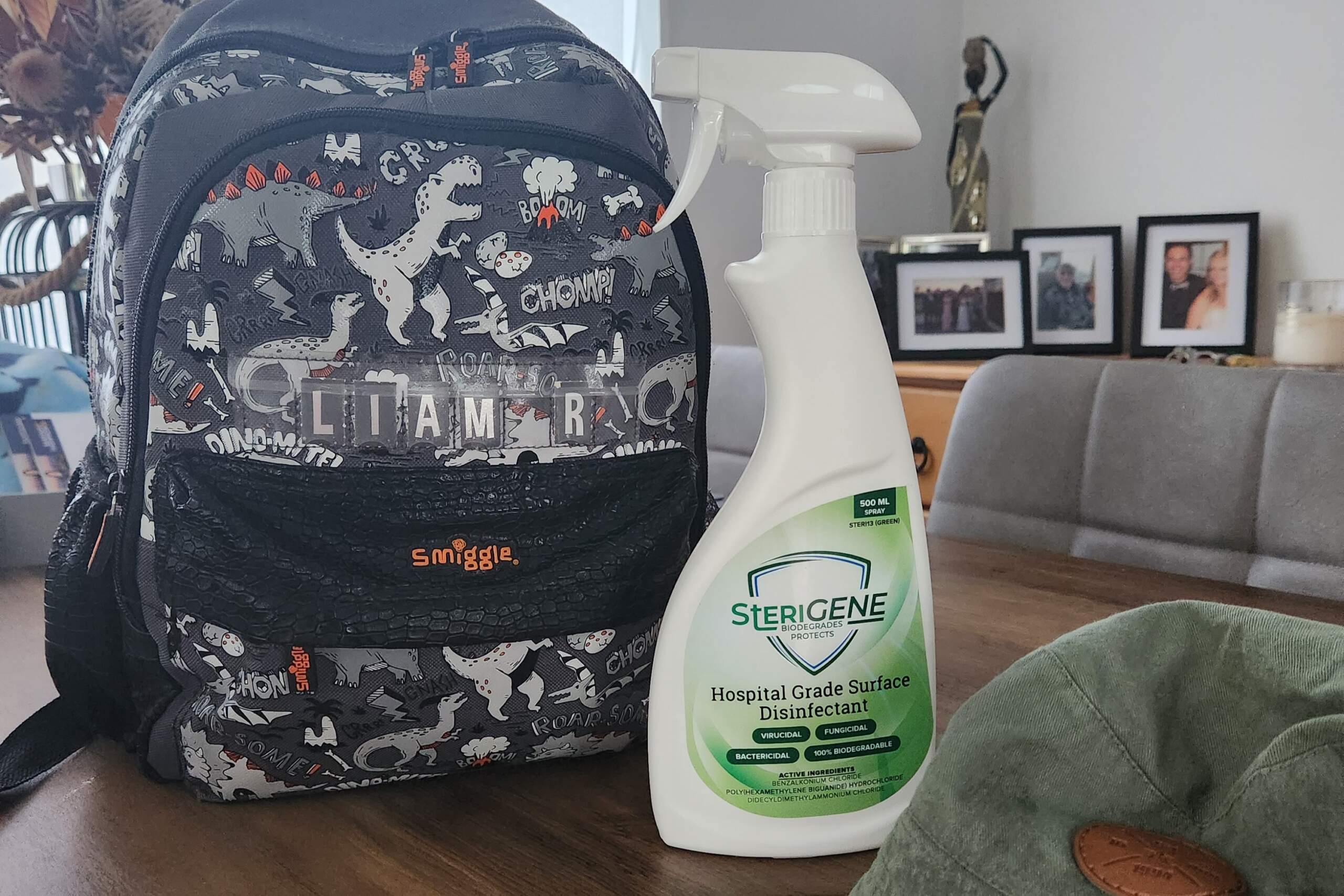
Ready-to-use disinfectants in a spray bottle can be used to kill bacteria, viruses, and fungi on surfaces throughout your home including solid furniture (table tops, tall boys, TV cabinets, etc), kitchen benches, vanities, and other high-traffic areas such as cupboard doors, and door handles.
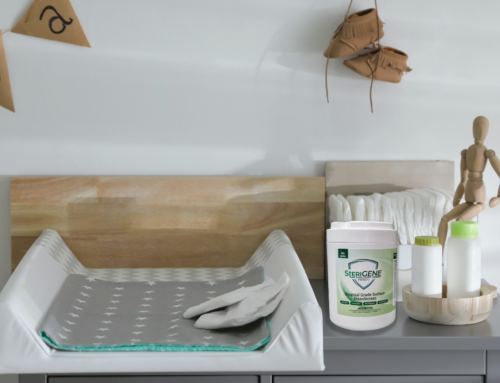
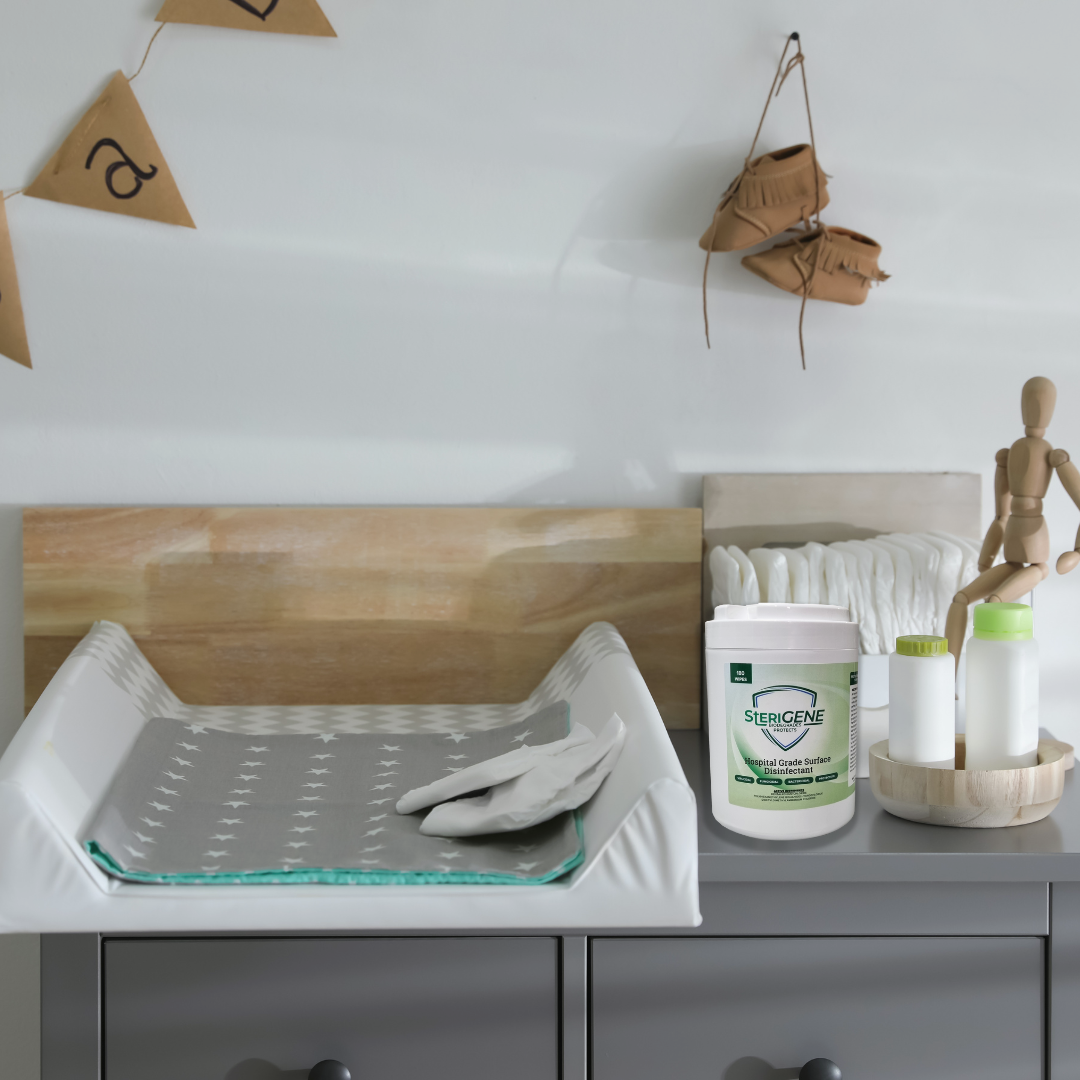
A high-quality spray disinfectant can also be used for nastier jobs where there may be a higher concentration of, or nastier pathogens lurking. This could include disinfecting rubbish bins, and nappy bins, and cleaning toilets and shower drains.
You could also spray your mattress in between sheet changes to kill any nasties lingering in your mattress. We recommend stripping your bed in the morning, spraying your mattress straight away then leaving your mattress to fully air and dry out during the day before replacing sheets in the afternoon or evening.
Disinfectants can also be added to your laundry load. Think sheets, towels, tea towels, gym towels, workout gear, cloth nappies, hankies, and anything else you think needs good disinfection. You may need a higher concentration for the disinfection to be effective, due to the volume of water in your washing machine.
What is a good disinfectant?
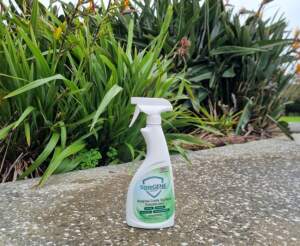
A good disinfectant keeps your family safer, by keeping pesky pathogens away. A good disinfectant is bactericidal, virucidal and fungicidal. A good disinfectant is easy to use. A good disinfectant has multiple uses. A good disinfectant is tough on germs, gentle on materials, and good to the environment.
So, what disinfectant would we recommend, that meets all these criteria? SteriGENE.
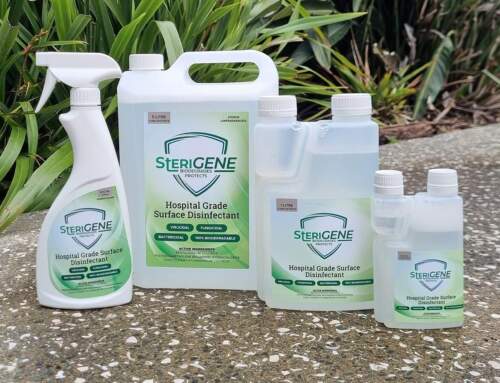
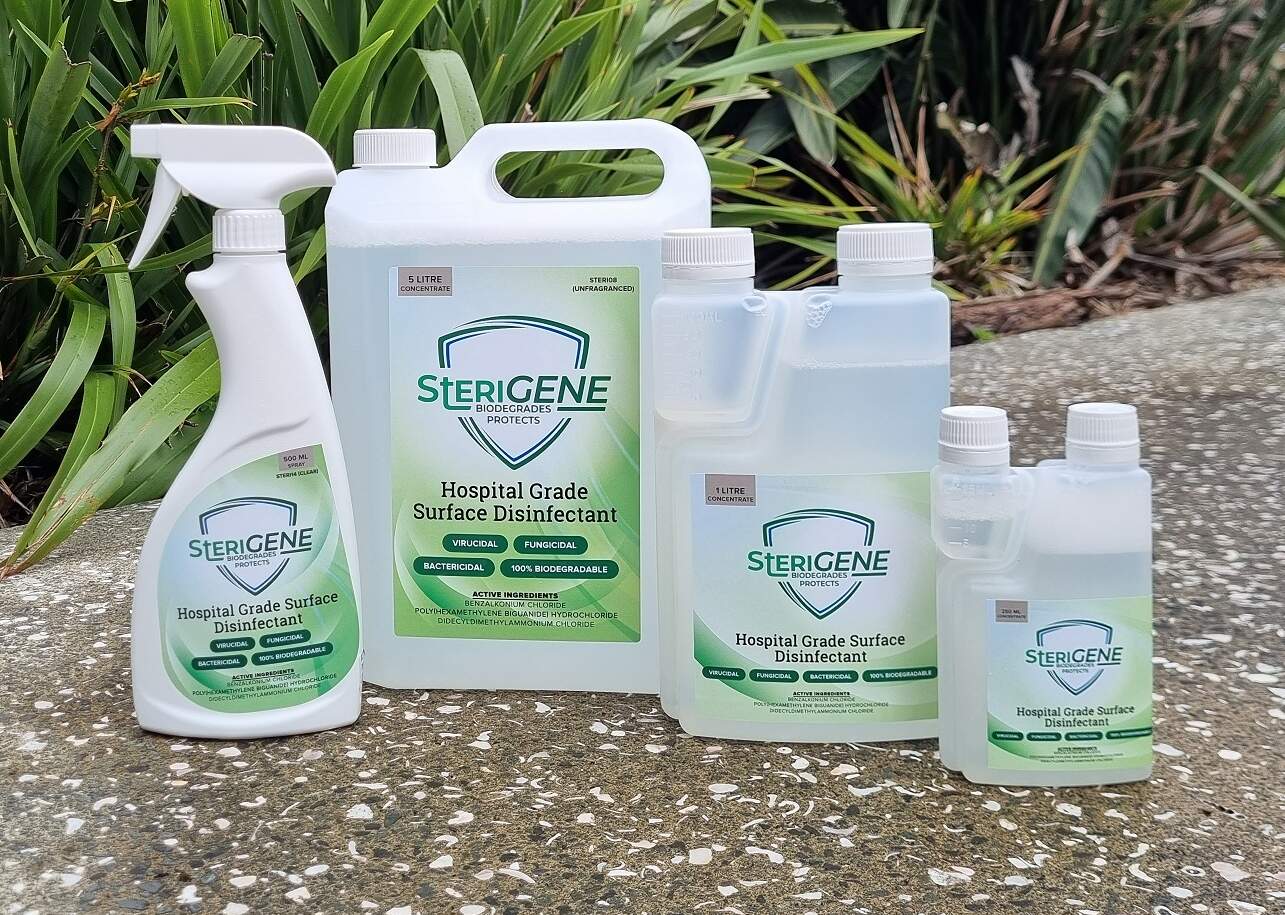
SteriGENE is a high-level hospital-grade disinfectant. It kills bacteria, viruses, spores, fungi, and mycobacteria, so it keeps your family safer. Available in a ready-to-use trigger spray bottle, it is easy to use. Spray your surfaces, and wipe them down with a clean cloth.
After you’ve done your part, SteriGENE continues working to keep pesky pathogens away from your family. Although we do recommend using SteriGENE again if a surface is soiled. But, that’s the other good thing about SteriGENE: No pre-cleaning is required. SteriGENE doesn’t deactivate when it comes in contact with dirt on a surface, so it cleans and disinfects – Easy!
Testing of SteriGENE shows it has a 116% degradation rate after 28 days. This means it is as biodegradable as fruits and vegetables so it is very eco-friendly.
SteriGENE is also available in a Laundry Disinfectant. A little bit goes a long way, which also makes it economic for you. 25ml in a 4kg load will provide a general disinfection.