World Blood Donor Day in New Zealand: Celebrating Life through Donation and Disinfection
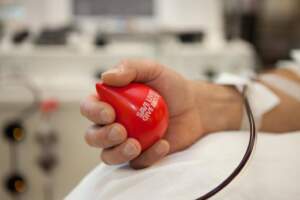
NZ Blood Donation: NZ Blood Facebook
New Zealand joins the global community on June 14th to commemorate World Blood Donor Day, a day dedicated to honoring the selfless act of blood donation. This special occasion not only acknowledges the incredible contributions of donors but also raises awareness about the importance of disinfection in ensuring the safety and well-being of both donors and recipients. In this blog post, we will delve into the significance of World Donor Day in New Zealand, highlighting the transformative role of disinfection in the donation process and its crucial role in preserving the gift of life.
World Blood Donor Day in New Zealand
World Blood Donor Day holds great significance in New Zealand, emphasising the importance of donation and recognising the donors who have made a difference in countless lives. It serves as a platform to celebrate the selflessness and compassion of donors and to promote the ongoing need for organ and blood donations around the country.
The Impact of Blood Donation

NZ Blood: https://www.facebook.com/NewZealandBloodService
Blood donations have the power to save lives and improve the health of individuals in need. Blood donation plays a vital role in emergency situations, surgeries, and medical treatments. The impact of these generous acts cannot be overstated.
New Zealand Blood Foundation forecasts that the demand for blood and plasma in 2023 will increase by 4% and 10% respectively, which means more than 40,000 new donors are needed to meet this rising demand.
The Importance of Disinfection in Donation
In the donation process, disinfection plays a critical role in ensuring the safety and efficacy of donated blood. Disinfection protocols are meticulously followed to eliminate or reduce the risk of pathogens, such as bacteria, viruses, and fungi, that may be present in the donated material. By implementing stringent disinfection measures, the risk of infection transmission is significantly reduced, safeguarding the health of both donors and recipients.
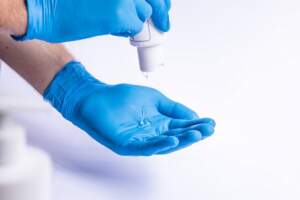
Advanced Disinfection Techniques
In New Zealand, advanced disinfection techniques are employed to maintain the highest standards of safety in the donation process. State-of-the-art disinfection protocols are rigorously followed, including the use of disinfectants, sterilization equipment, and rigorous testing procedures. These measures are designed to eliminate pathogens effectively and minimize the risk of contamination.
Collaborative Efforts for Safe Donation
World Blood Donor Day is an opportunity to recognize the collaborative efforts of various stakeholders involved in the donation process. Healthcare professionals, organisations, and regulatory bodies work together to establish comprehensive guidelines and protocols for disinfection in donation. These efforts ensure that the donation process remains safe and efficient, instilling trust in donors and recipients alike.
Promoting Safe Donation Practices
On this World Blood Donor Day, let us remember the importance of safe donation practices. Blood donation remains an ongoing need, and as blood only lasts 35 days, regular donations are needed to help meet and maintain demand. Donations can have a significant impact on the lives of others. Blood can be donated every three months, and a single donation can save up to three lives. This means a regular donor can save 12 lives in a year.
By adhering to proper hygiene practices, including disinfection and sterilization, throughout the donation process, we can contribute to the safety and well-being of both donors and recipients.
World Blood Donor Day in New Zealand is a time to honor the remarkable generosity of donors and the profound impact of their contributions. As we celebrate the gift of life through blood donation, let us also recognise the crucial role of disinfection in preserving the integrity and safety of donated material. By promoting safe donation practices and upholding the highest standards of disinfection, we can ensure that the gift of life continues to transform and empower individuals across the nation.