
Keeping your community safer
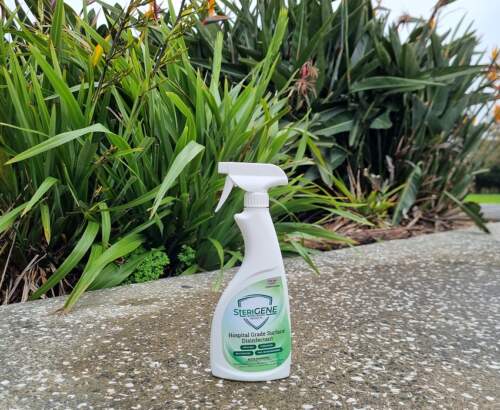
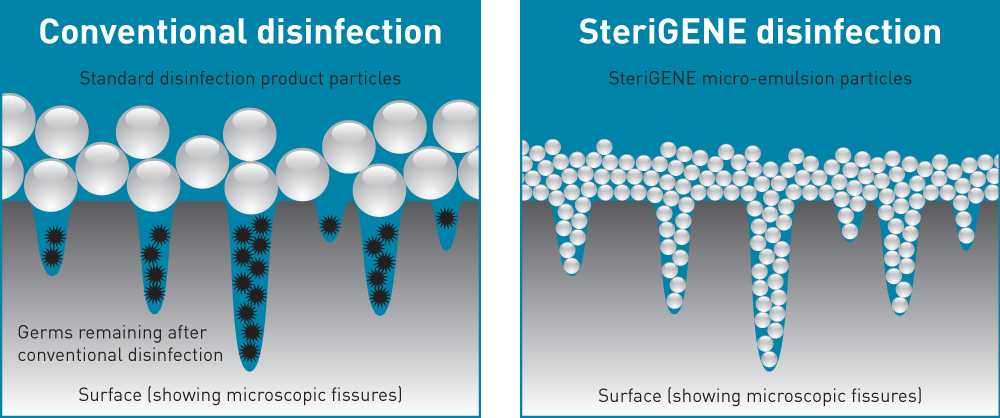
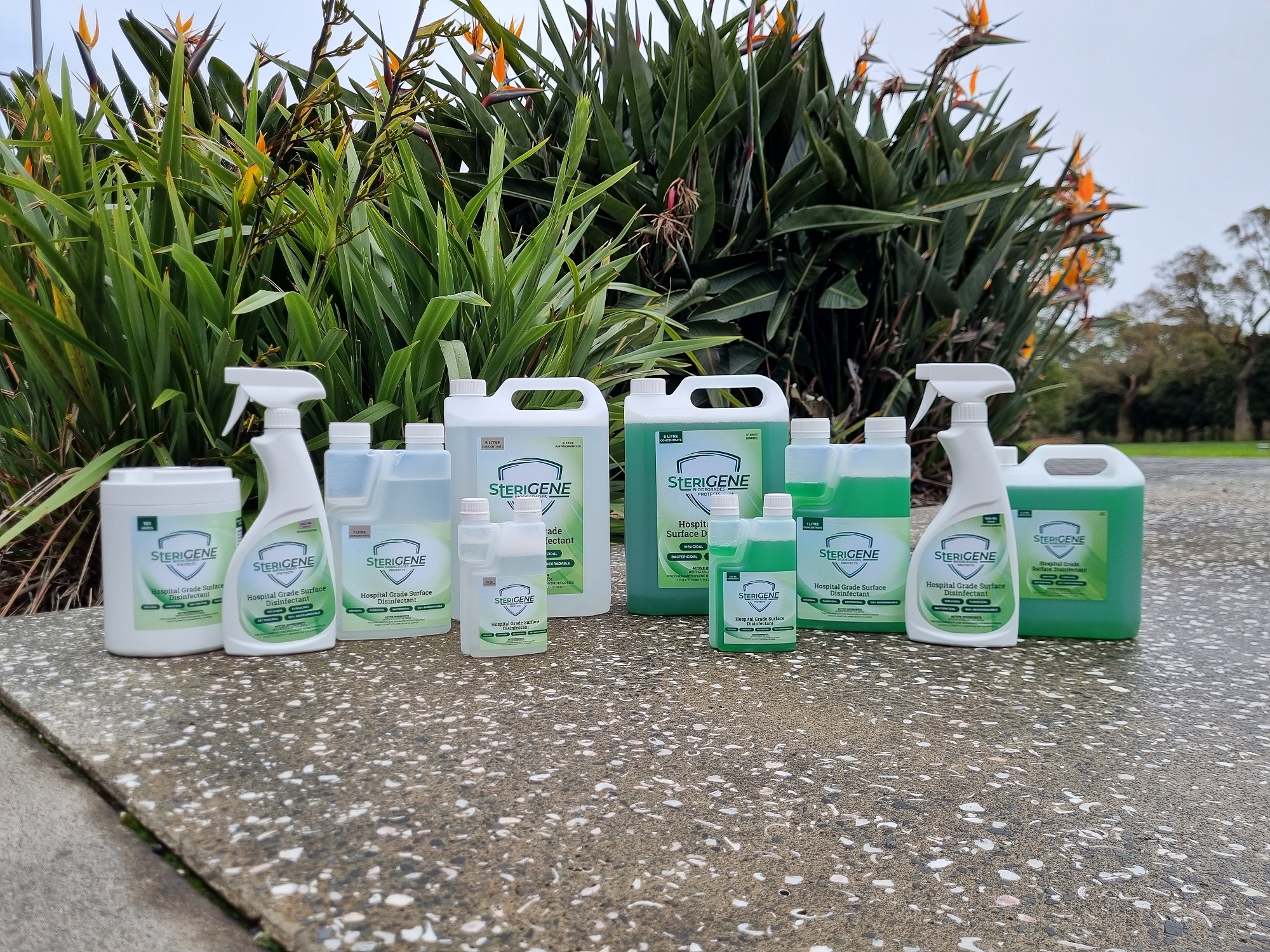
SteriGENE is a high-level hospital-grade disinfectant that is:
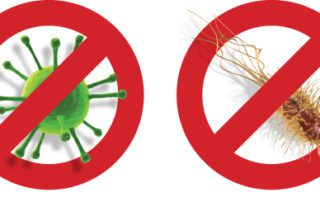
- Effective against bacteria, viruses, spores, fungi, and mycobacteria
- 100% biodegradable
- Non-corrosive
- Safer for skin
SteriGENE is the perfect partner for cleaning your kitchen, bathroom, hospital ward, floors,
accommodation, clinic, home or nappy station to ensure nothing is left trying to cause sickness to you, your team or your family.
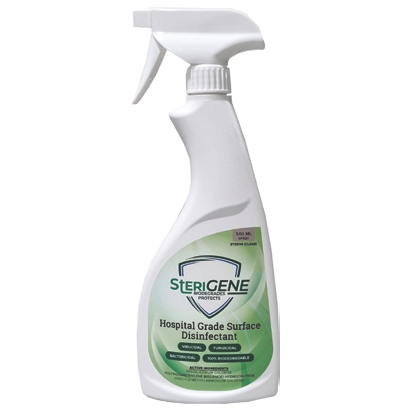



Broad spectrum activity in high risk conditions against viruses, mycobacteria, fungi and bacterial organisms
SteriGENE efficacy chart
| Selection of test results | |||
| Organism | Dilution | Method | Reduction |
| Sporicidal Activity | |||
| Bacillus subtilis | 1:100 | EN14347 | >Log6 |
| Clostridium difficile | 1:100 | EN14347 | >Log5 |
| Clostridium sporogenes | 1:100 | EN13704 | >Log6 |
| Clostridium perfringens | 1:100 | EN13704 | >Log6 |
| Mycobactericidal Activity | |||
| Mycobacterium Avium | 1:100 | EN14348 | >Log6 |
| Mycobacterium bovis | 1:100 | EN14348 | >Log5 |
| Mycobacterium fortuitum | 1:100 | EN14348 | >Log6 |
| Mycobacterium terrae | 1:100 | EN14348 | >Log6 |
| Mycobacterium tuberculosis | 1:10 | EN14348 | >Log5 |
| Virucidal Activity | |||
| Hepatitis B | 1:100 | EPA protocol | Complete deactivation |
| Norovirus (Feline calicivirus) | 1:100 | EPA protocol | Complete deactivation |
| HIV | 1:200 | EPA protocol | Complete deactivation |
| Adenovirus type 5 | 1:200 | EPA protocol | Complete deactivation |
| Coronavirus (SARS, COVID-19) | 1:200 | EPA protocol | Complete deactivation |
| H5N1 | 1:200 | Harbin veterinary research institute | Total kill |
| Fungicidal Activity | |||
| Aspergillus niger (Black mould) | 1:200 | EN13624 | >Log4 |
| Candida albicans | 1:200 | EN13624 | >Log4 |
| Penicillium verrucosum | 1:200 | EN1675 | >Log4 |
| Trichophyton rubrum | 1:200 | EN13624 | >Log4 |
| Bactericidal Activity | |||
| Pseudomonas aeruginosa | 1:200 | EN1276 | >Log5 |
| Staphylococcus aureus | 1:200 | EN1276 | >Log5 |
| Escherichia coli | 1:200 | EN1276 | >Log5 |
| Enterococcus hirae | 1:200 | EN1276 | >Log5 |
| Acinetobacter calcoaceticus | 1:200 | EN13727 | >Log5 |
| Campylobacter jejuni | 1:200 | EN13727 | >Log5 |
| Enterococcus faecium | 1:200 | EN13727 | >Log6 |
| Helicobacter pylori | 1:200 | EN13727 | >Log5 |
| Klebsiella pneumonia | 1:200 | EN13727 | >Log5 |
| Legionella pneumophila | 1:200 | EN13727 | >Log6 |
| Listeria monocytogenes | 1:200 | EN13727 | >Log6 |
| MRSA | 1:200 | EN13727 | >Log6 |
| Proteus vulgaris | 1:200 | EN13727 | >Log6 |
| Salmonella Dublin | 1:200 | EN13727 | >Log6 |
| Salmonella enteritidis | 1:200 | EN13727 | >Log6 |
| Salmonella typhimurium | 1:200 | EN13727 | >Log6 |
| Serratia marcescens | 1:200 | EN13727 | >Log6 |
| Tested by Warwick University to inactivate and destroy DNA/RNA | |||
Area of use chart
| Area of use | Recommended dilution | ml per 5 litres | ml per 500ml |
| General floors/walls | 1:200 | 25ml | n/a |
| General cleaning of regularly touched surfaces e.g. handles, banisters, doors | 1:100 | 50ml | 5ml |
| General cleaning toilets etc. | 1:100 | 50ml | 5ml |
| Hospital trolleys, bedpans, mattresses etc. | 1:100 | 50ml | 5ml |
| Ward cleaning of wires etc. that cannot be immersed | 1:100 | 50ml | 5ml |
| Theatres, operating tables, equipment, lights | 1:100 | 50ml | 5ml |
| Immersion* of non-critical equipment such as tweezers, scissors etc. | 1:100 | 50ml | 5ml |
| Specialist wards e.g. ICU, A&E | 1:100 | 50ml | 5ml |
| Terminal cleaning, high risk cleaning | 1:100 | 50ml | 5ml |
| Theatre floors and bio spills (blood, faeces, vomit, etc.) | 1:10 | 500ml | 50ml |
| Laboratory general surfaces | 1:100 | 50ml | 5ml |
| Laboratory equipment immersion* | 1:100 | 50ml | 5ml |
| Laboratory high risk bio spills, centrifuge breakages | 1:100 | 50ml | 5ml |
| *Immersion in 1:100 dilution for 30 minutes is sufficient to deactivate all known organisms. | |||
What is a good disinfectant?
With so many different cleaning, sanitising, and disinfection products on the market these days, we thought we'd clarify what a disinfectant actually is. What's the difference between cleaners, sanitisers, and disinfectants, they're not the same and shouldn't be used interchangeably. We also explore how a disinfectant is best used, and [...]
Preventing and removing mould in the home
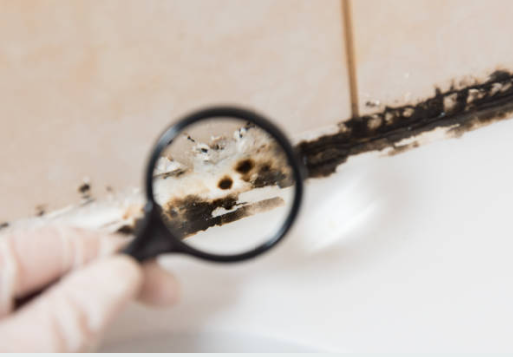
Mould in the home can cause health problems for you and your family. With cooler, wetter weather setting in, we've put together some of our top tips and tricks for preventing mould from growing in your home or treating it, if mould is already present. What is mould? Mould is [...]
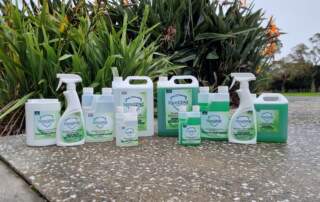
SteriGENE: A Clean Green Disinfectant
Testing of SteriGENE shows it attained 116% degradation after 28 days. How can there be more than 100% biodegradation? It is due to an increase in the number of viable micro-organisms in the "test material vessel" as a result of its readily biodegradable nature. The micro-organisms utilize the test material [...]
8 tips for a hygienic family home
Firstly, let's understand the difference between cleaning a house, and tidying a house. But, aren’t they the same thing? While cleaning and tidying are usually used interchangeably, they are actually different tasks. Tidying is organising and putting belongings away, and finding a home for your belongings, while cleaning is removing [...]
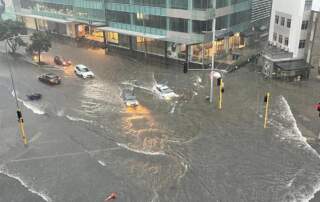

What to do after your house floods
Following Auckland’s wettest day on record, having received 3 months' worth of rain in a day, Auckland residents found themselves devastated by flash flooding and landslides. As this weather event has been put down to global climate change, it's likely we can expect to see more of these weather events. [...]
Top 10 Disinfectants in NZ and Australia
With so many disinfectant options available, it can be difficult to understand the differences, and which option is going to keep your family and community safer. We have done a deep dive into the differences, features, and efficacy of the top 10 used disinfectants in New Zealand and Australia [...]